The Complete Wood Species Guide for Custom Switch Plates

November 1, 2024  ·  VARØ Industries
← Back to Blog

Picking a wood species for a switch plate sounds simple until you're staring at 14 options and trying to figure out whether your kitchen leans more Maple or White Oak. This guide is the answer to that question — for every room and every style I can think of.

I cut all of these in-house on a laser cutter. Each species is listed with its actual color profile, grain character, and the rooms and styles where it tends to land best. Use this as your reference before you order.

All 14 species are available through the Etsy listing. The switch plates page covers sizing and layout options.

All 14 Species, Described
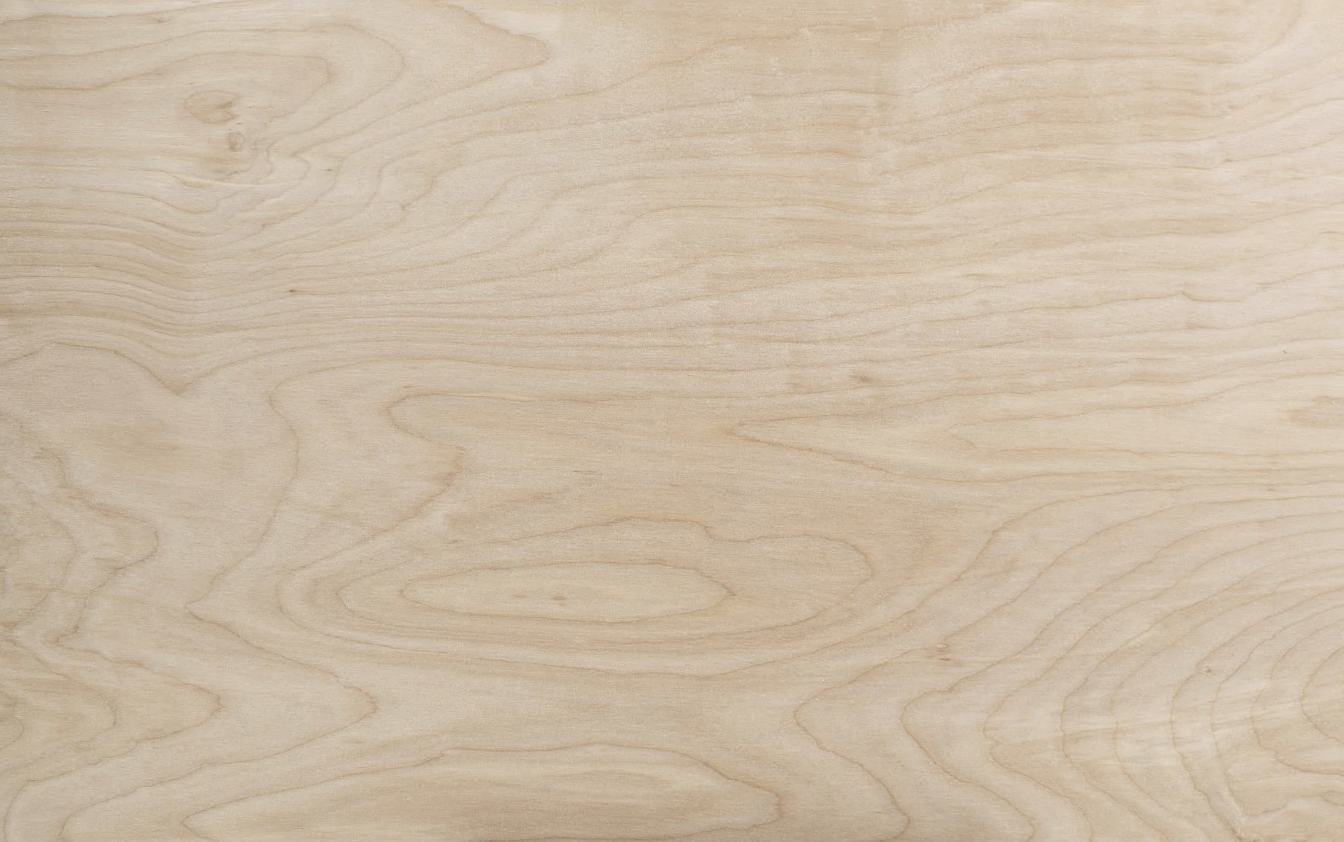
Birch wood switch plate
Birch
Color: Creamy white to light tan
Very light with a subtle, almost invisible grain. One of the most neutral species in the lineup — it reads as "wood" without being specific about it. Takes a finish beautifully but is also attractive in its natural state.
Best in: Modern, Scandinavian, minimalist, nurseries, home offices
Maple wood switch plate
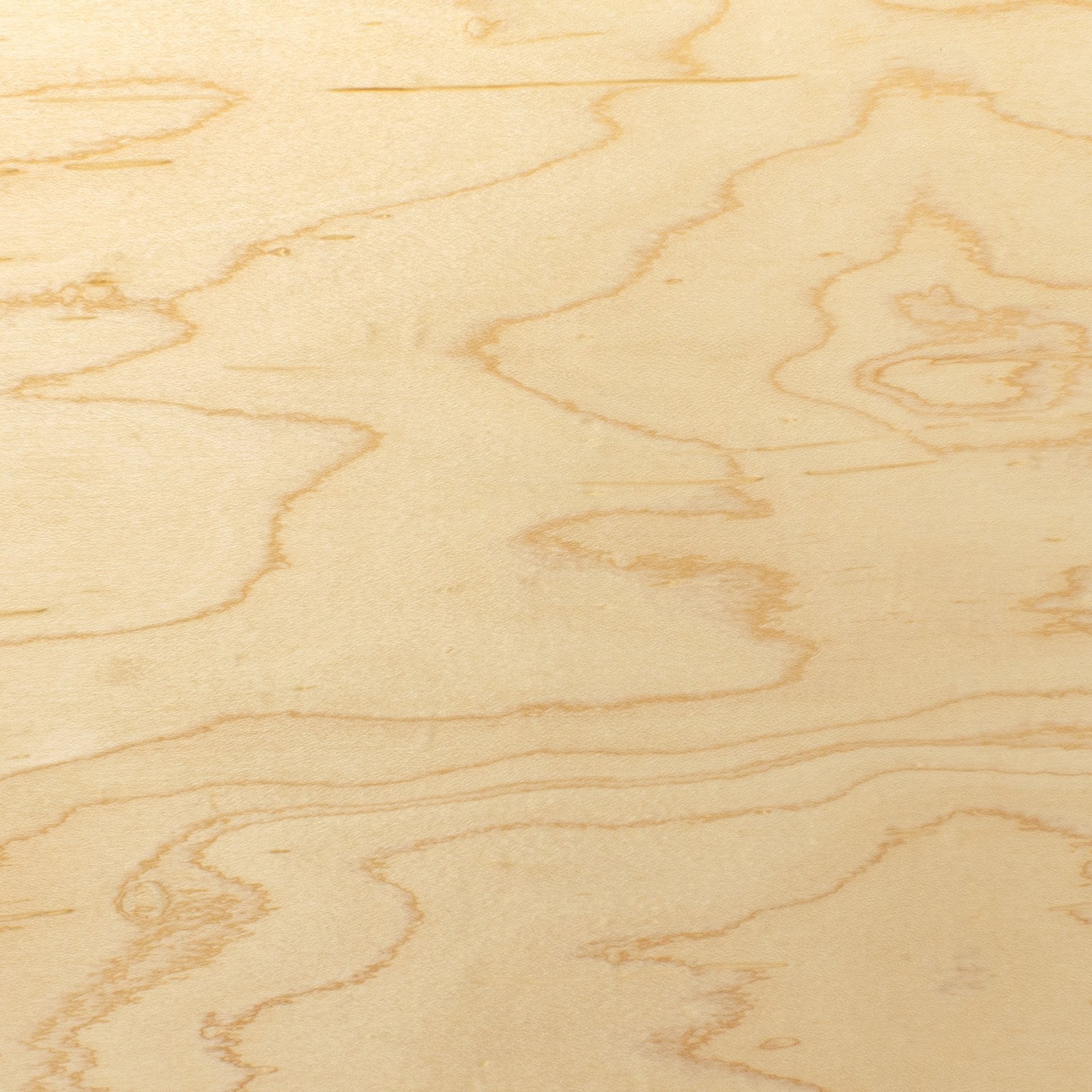
Maple
Color: Pale gold to cream
A tight, consistent grain that photographs beautifully and looks clean in person. Maple has a slight warmth to it without going golden — it's the safe, flattering choice for spaces that need warmth without weight.
Best in: Modern kitchens, Scandinavian living rooms, bathrooms, home offices
Hickory wood switch plate
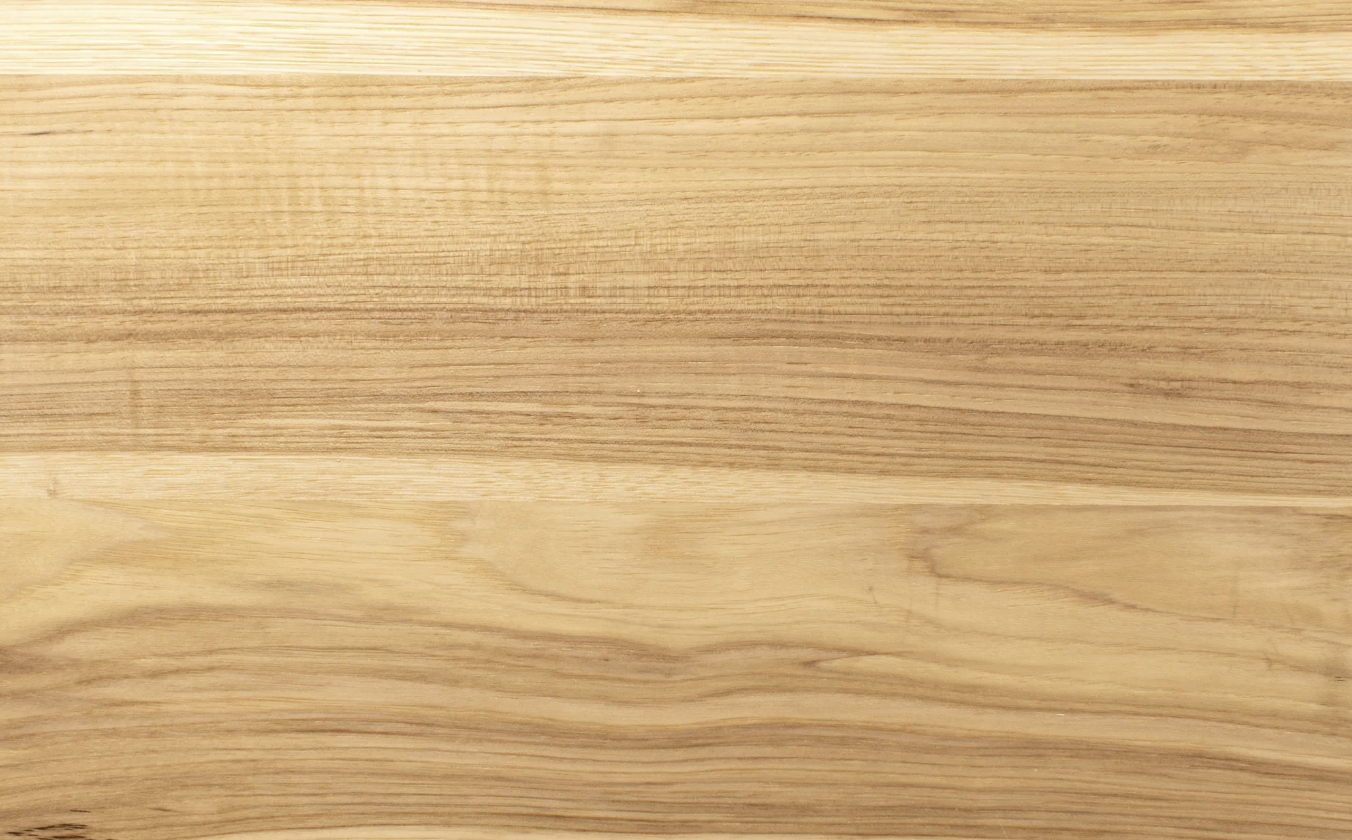
Hickory
Color: Warm honey with dramatic variation
Hickory is the most dramatic species in the set. Pieces can range from pale cream to deep brown within the same board, with strong contrasting grain lines. No two plates look the same. That character is either its selling point or its deal-breaker, depending on the space.
Best in: Rustic, cabin, farmhouse, workshop-adjacent spaces
Knotty Pine wood switch plate
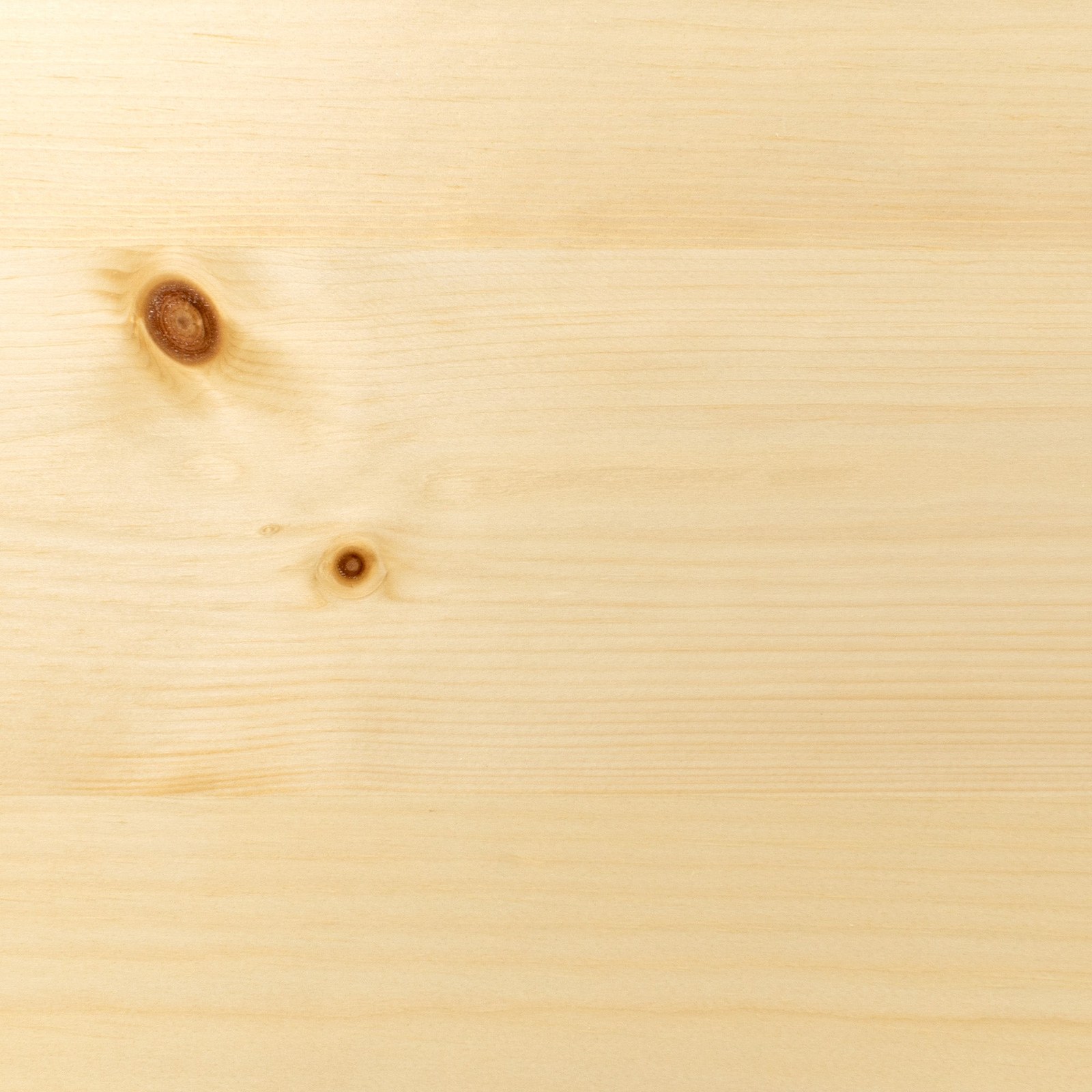
Knotty Pine
Color: Warm yellow-brown with visible knots
Knotty Pine has an unmistakable look — the knots are the whole point. It's casual, warm, and immediately evokes cabin or farmhouse. Pairs well with shiplap, reclaimed wood, and natural linen.
Best in: Farmhouse, cabin, country kitchen, mudroom
Bamboo switch plate
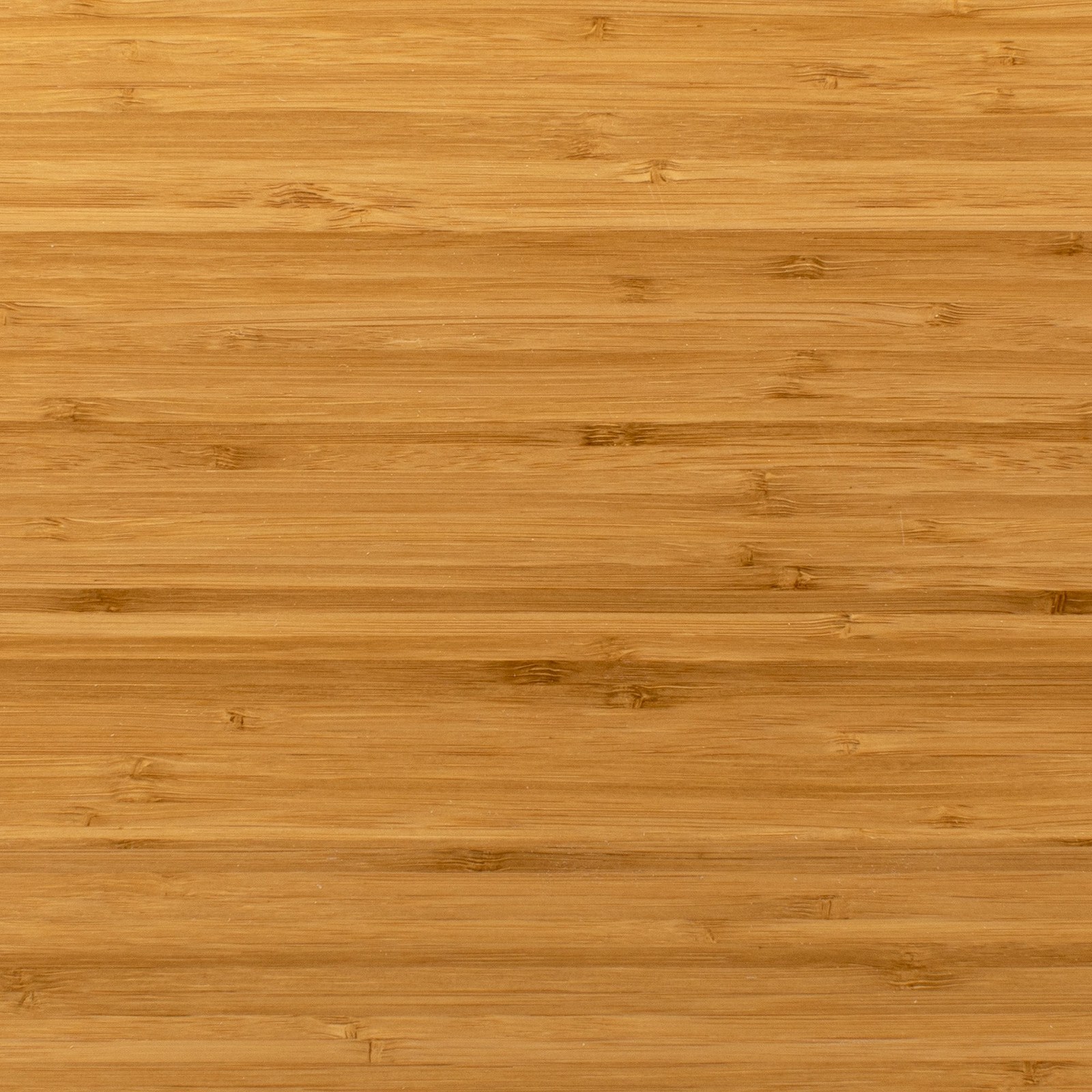
Bamboo
Color: Golden tan with tight parallel grain
Technically a grass, but cuts and finishes like hardwood. Bamboo has a distinctive tight, parallel grain structure that reads as very clean and organized. Sustainable, harder than most hardwoods, and with a contemporary feel.
Best in: Eco-modern, contemporary, urban apartments, home offices
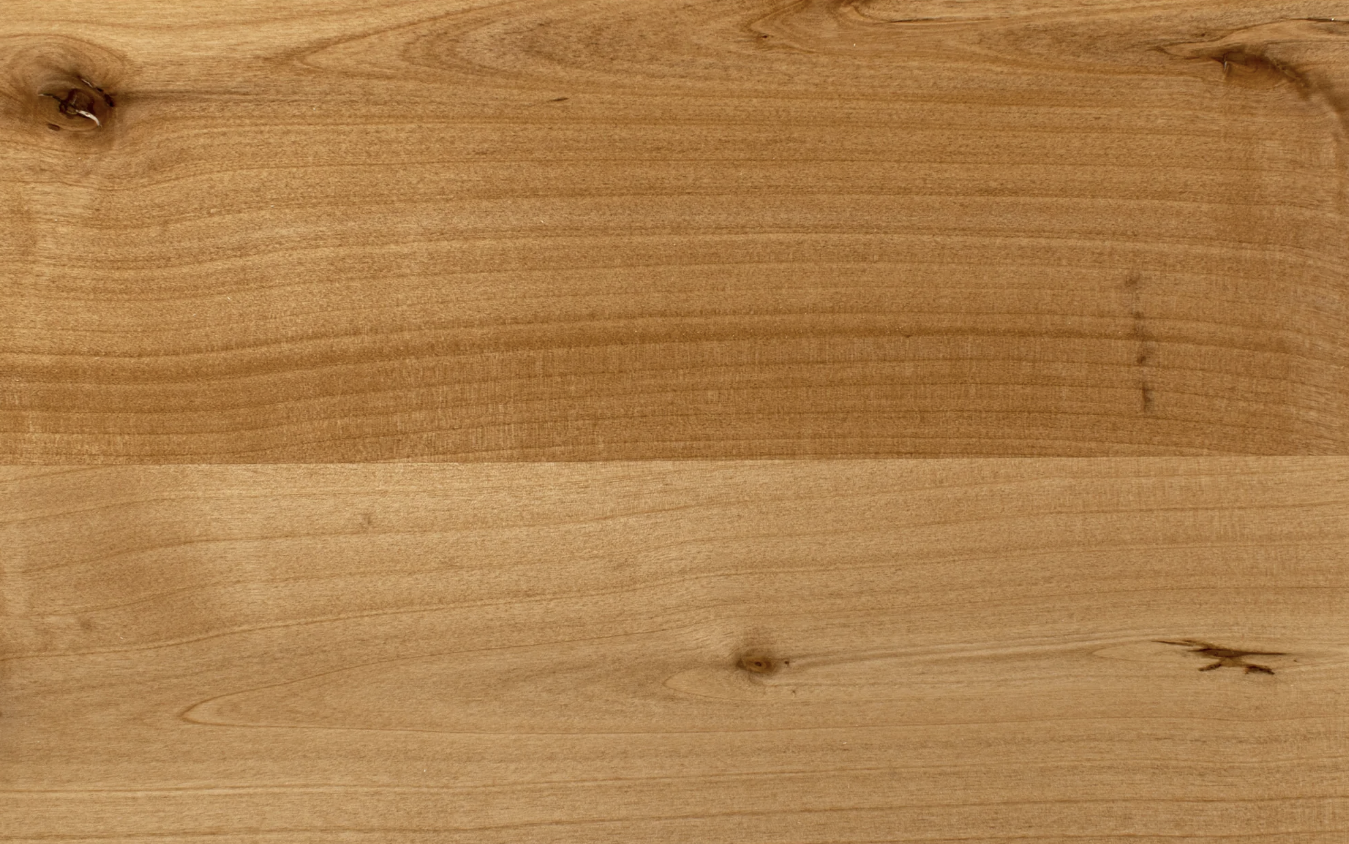
Clear Alder wood switch plate
Clear Alder
Color: Light pinkish-tan to beige
Alder is underrated. It's a fine-grained wood with a warm, slightly pink tone that sits between Maple and Birch in terms of brightness. The "clear" designation means no knots — just clean, consistent wood that works in almost any room.
Best in: Transitional spaces, bedrooms, hallways, any room that needs warmth without drama
MDF paintable switch plate
MDF / Paintable
Color: No grain — paintable smooth surface
MDF is the outlier in this list — it's not a wood species in the traditional sense. It's a composite board with a completely smooth, grain-free surface designed to be painted. If you want your switch plate to disappear into a painted wall, MDF is the choice.
Best in: Any room where you want to match the wall color exactly
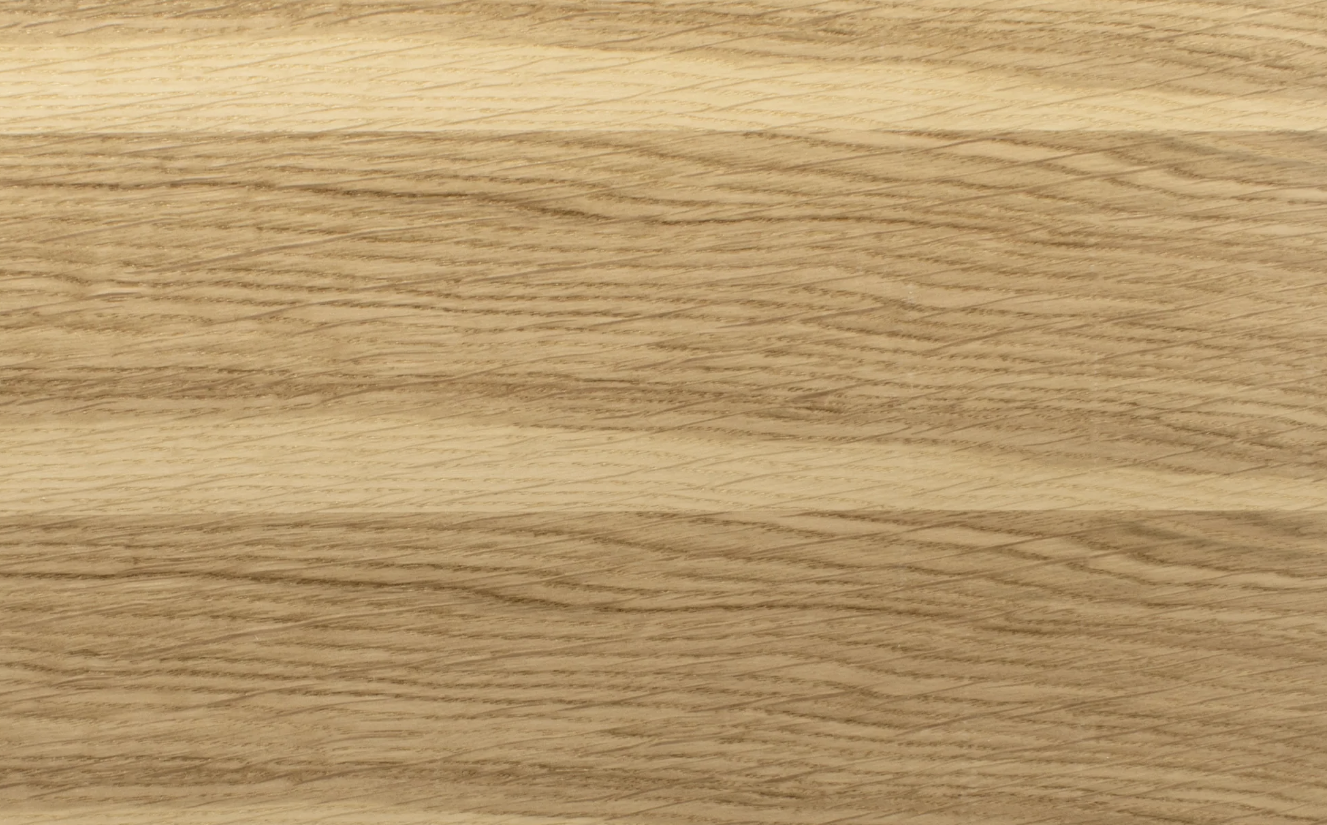
White Oak wood switch plate
White Oak
Color: Gray-tan with pronounced ray flecks
White Oak is having a moment right now and for good reason. Its gray-tan undertone pairs with everything from light paint to dark cabinetry, and the ray flecks give it a subtle visual texture that other species lack. One of the most versatile options in the lineup.
Best in: Contemporary, transitional, white kitchens, living rooms, any space where natural materials are the focus
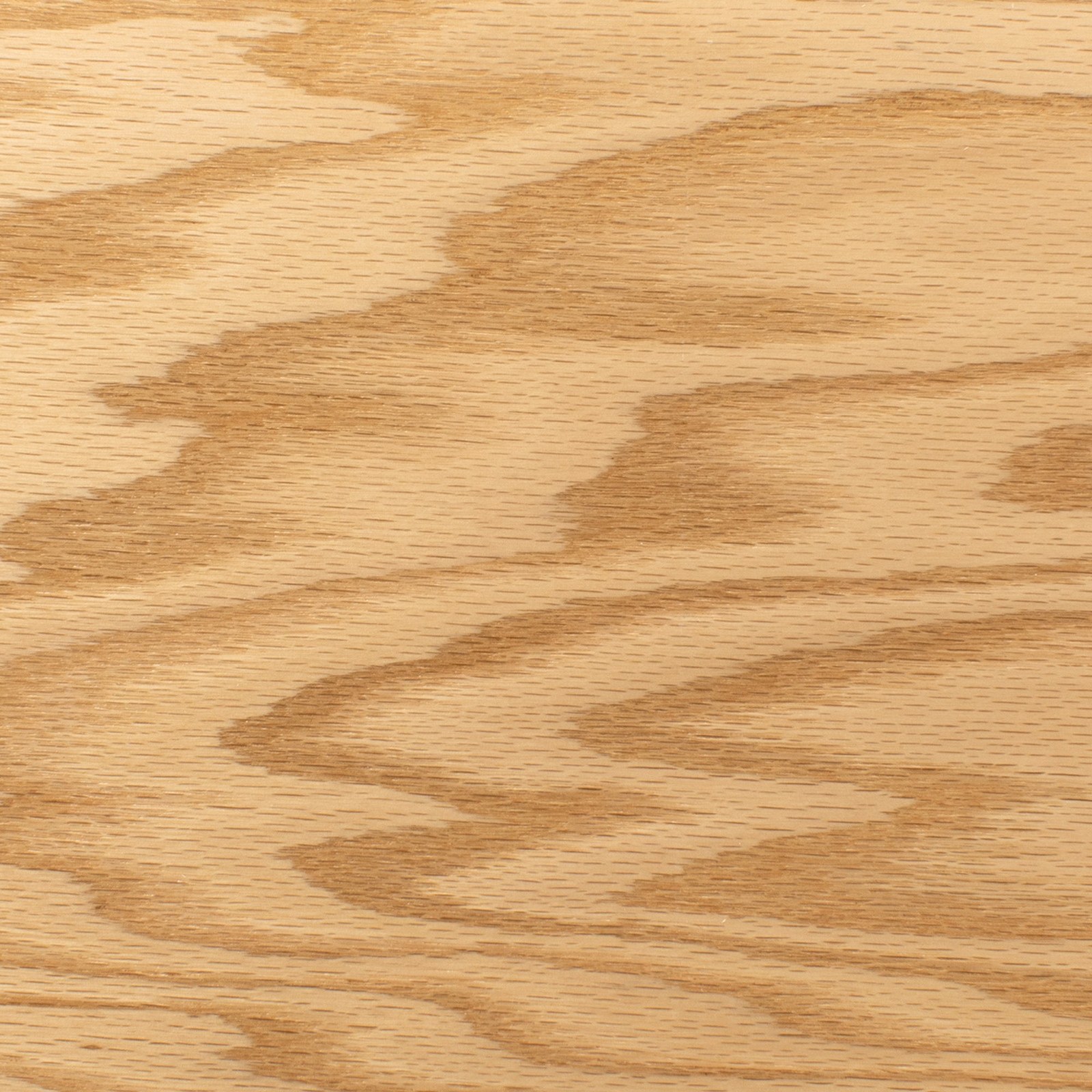
Red Oak wood switch plate
Red Oak
Color: Warm pink-tan with coarser grain
Red Oak is the classic American hardwood — warm, slightly pink-tinged, with a visible, open grain. More traditional in character than White Oak, and a natural fit for spaces with existing Red Oak floors or trim.
Best in: Traditional, colonial, craftsman, spaces with Red Oak floors
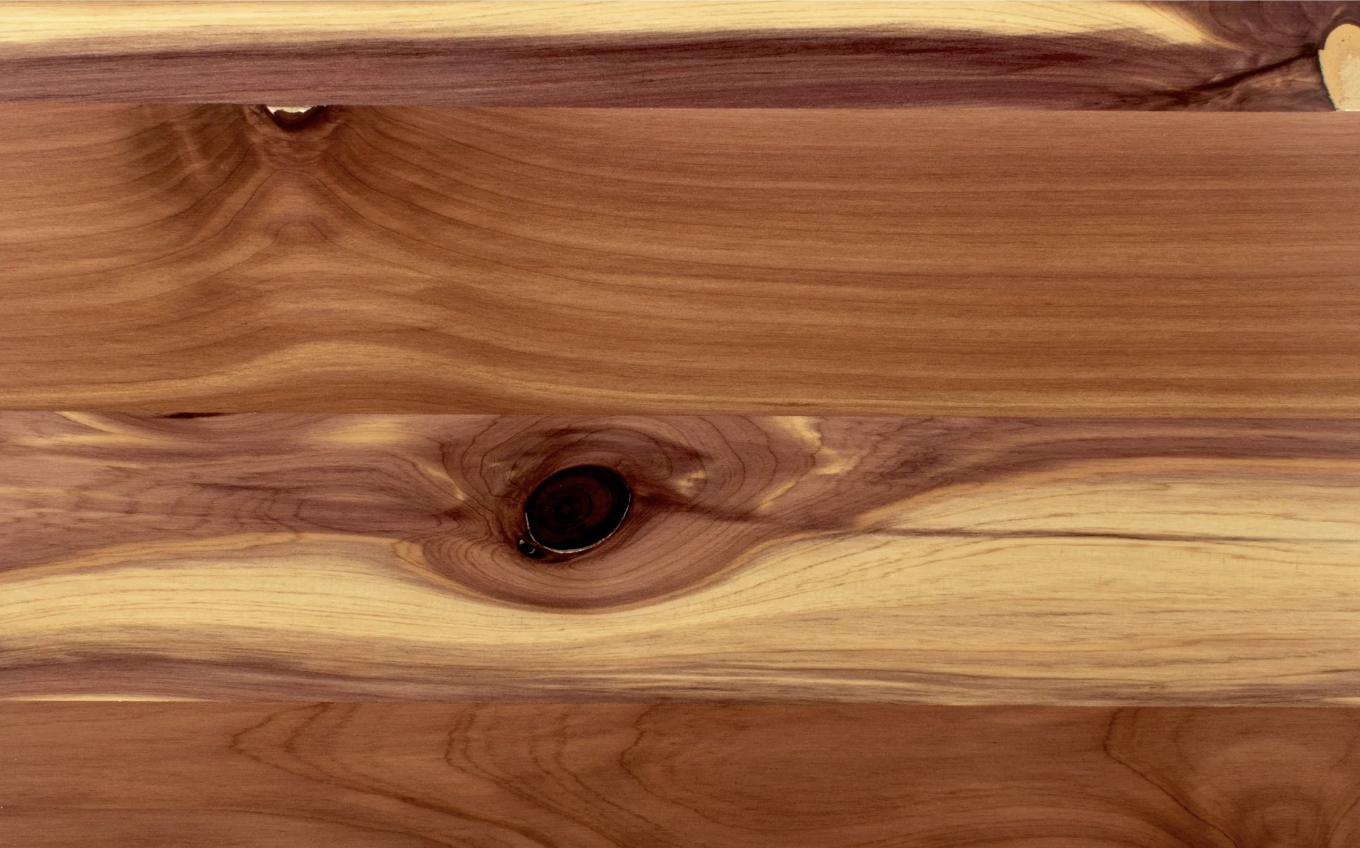
Aromatic Cedar wood switch plate
Aromatic Cedar
Color: Reddish-purple with cream streaks
The most visually distinctive wood in the set. Aromatic Cedar has rich reddish-purple heartwood with lighter cream or tan sapwood streaks — no two pieces are remotely alike. And it smells exactly like a cedar chest.
Best in: Master bedroom, closet, bathroom, anywhere you want a conversation piece
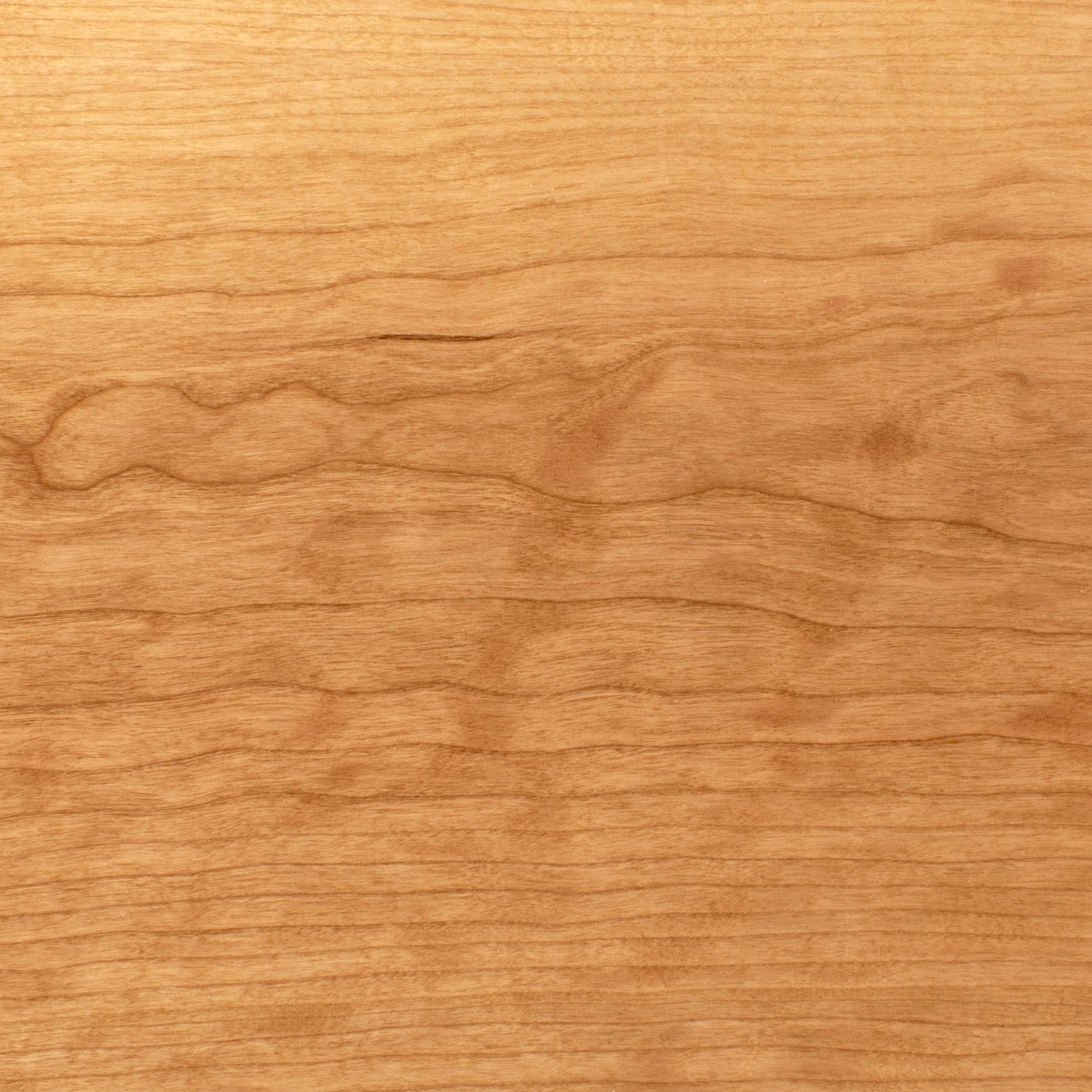
Cherry wood switch plate
Cherry
Color: Warm medium brown that darkens with age
Cherry starts as a warm pinkish-brown and darkens to a rich reddish-brown as it ages — a process called patination. Fine, consistent grain with a smooth, almost polished surface. Formal enough for a dining room, warm enough for a living room.
Best in: Traditional, formal living rooms, dining rooms, offices, spaces with dark wood furniture
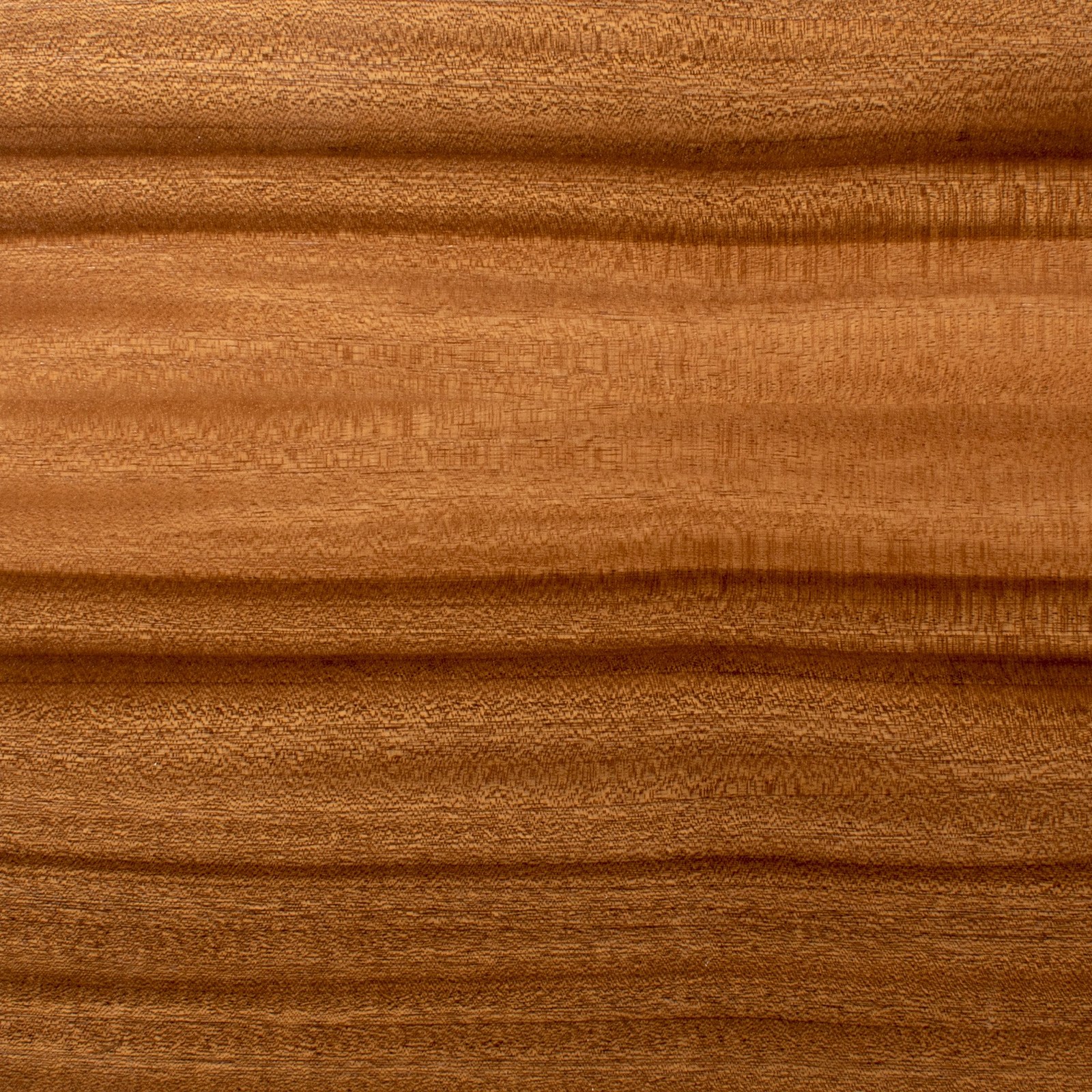
Sapele wood switch plate
Sapele
Color: Mid-brown with ribbon-stripe figure
Sapele's defining characteristic is its interlocked grain — when cut, it produces a ribbon-stripe figure where the grain appears to alternate between light and dark as the viewing angle shifts. Visually similar to Mahogany but with more movement and complexity.
Best in: Mid-century modern, contemporary, spaces with teak or walnut furniture
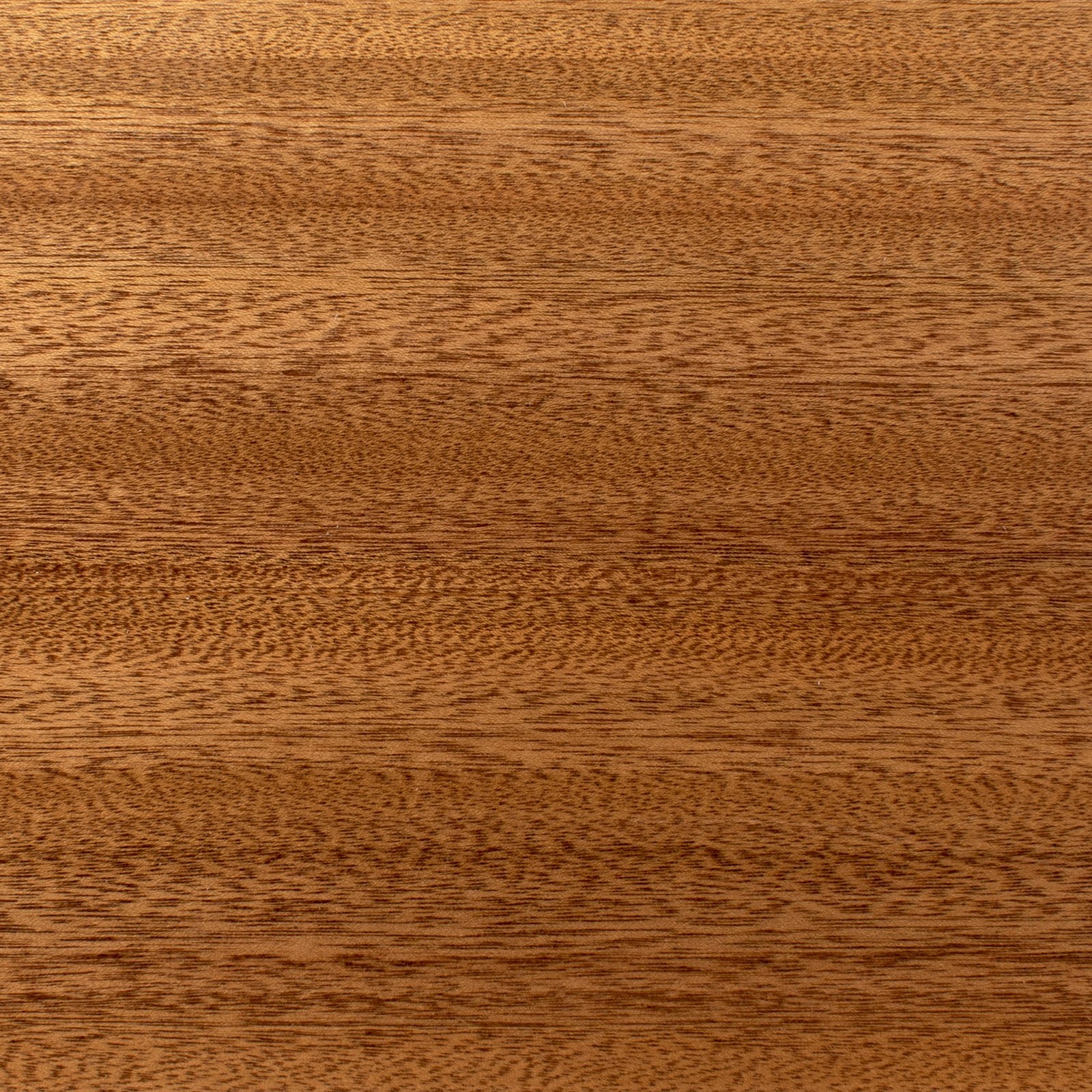
African Mahogany wood switch plate
African Mahogany
Color: Warm reddish-brown with straight grain
The traditional cabinetry and boat-building wood — rich, reddish-brown, with a relatively straight and consistent grain. Warm and classic without being as dark as Walnut. A natural fit for rooms with leather, brass, and dark wood.
Best in: Traditional, classic, study or library, rooms with leather furniture
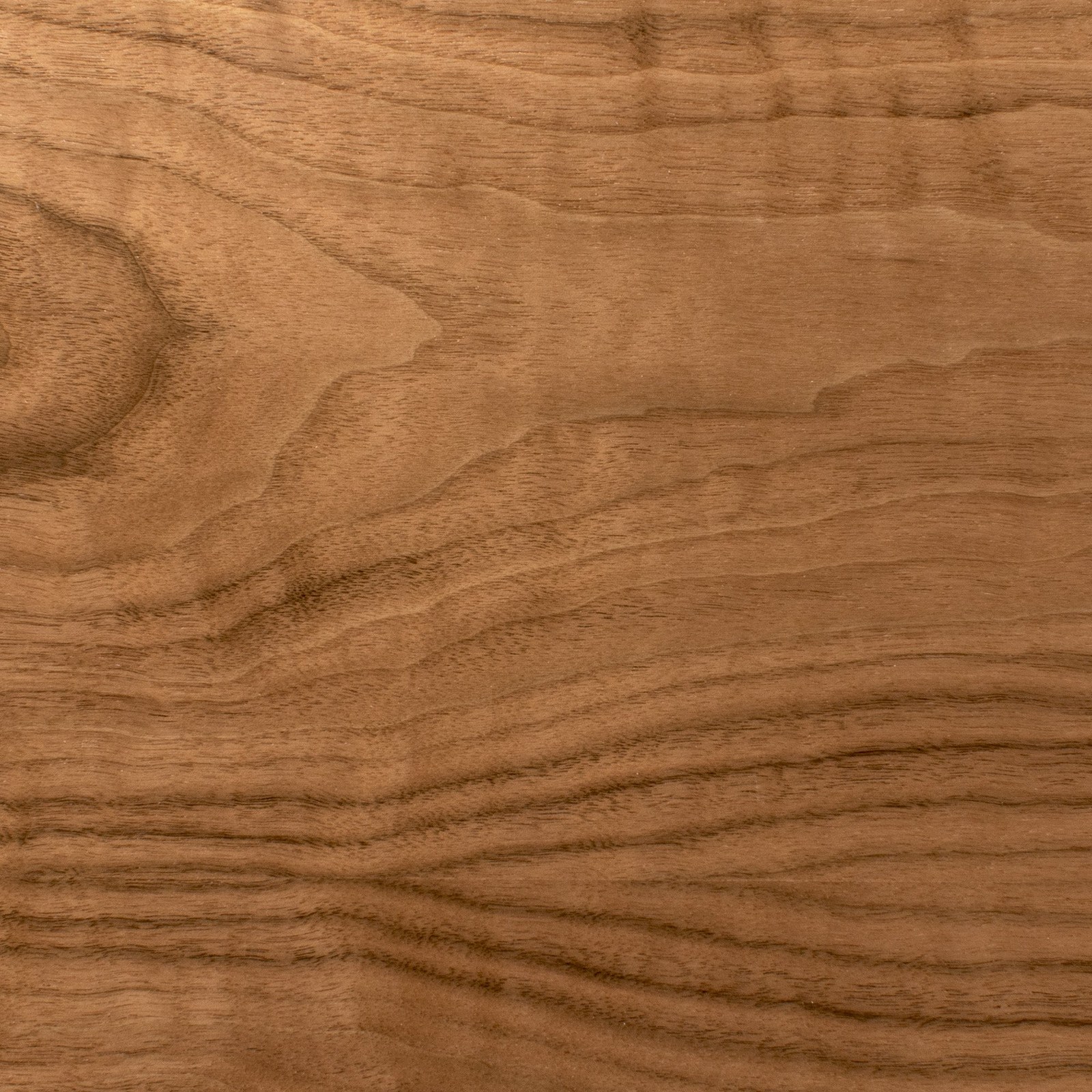
Walnut wood switch plate
Walnut
Color: Rich warm brown, deepening toward chocolate
The most requested species, and it's not close. Rich warm brown — anywhere from mid-brown to near chocolate depending on the board — with a fine grain and smooth surface. Pairs with mid-century modern, Japandi, industrial, moody contemporary. Photographs extremely well.
Best in: Mid-century modern, Japandi, contemporary, spaces with black or dark metal accents

Quick Reference: By Room

Still unsure? Walnut is the safe default if you want something that will look good in almost any room with existing wood tones. White Oak is the safe default if your space leans lighter and more contemporary. Both are hard to get wrong.

Frequently Asked Questions

What is the darkest wood option?
Walnut is the darkest — a rich chocolate-brown that deepens over time. African Mahogany and Sapele are the next darkest, both in the warm medium-to-dark brown range.
What wood looks best in a white kitchen?
Maple is the most popular choice for white kitchens — its pale gold tone reads as warm without competing with the white. Birch and Bamboo also work well. For a slightly more contemporary edge, White Oak's gray-tan undertone pairs beautifully with white shaker cabinets.
Do the colors shown in photos match what I'll receive?
Close, but wood is a natural material with variation between pieces. The species photos represent typical specimens. Knotty Pine and Hickory in particular show dramatic piece-to-piece variation — knot placement and grain character will differ. That's part of what makes real wood interesting.
Can I mix wood species in one order?
Yes. Each switch plate is a separate selection, so you can order Walnut for the living room and Maple for the kitchen in the same transaction. Just add each configuration separately to your cart on Etsy.

Sources & References

  1. Etsy listing
  2. 14 Wood Species for Switch Plates: Which One Belongs in Your Home? — VARØ Industries Blog
  3. Why Wood Light Switch Plates Are My Best-Selling Etsy Product — VARØ Industries Blog
  4. Which Wood Switch Plate Works in Which Room? — VARØ Industries Blog
  5. How to Install a Wood Switch Plate (It's One Screw) — VARØ Industries Blog